Books
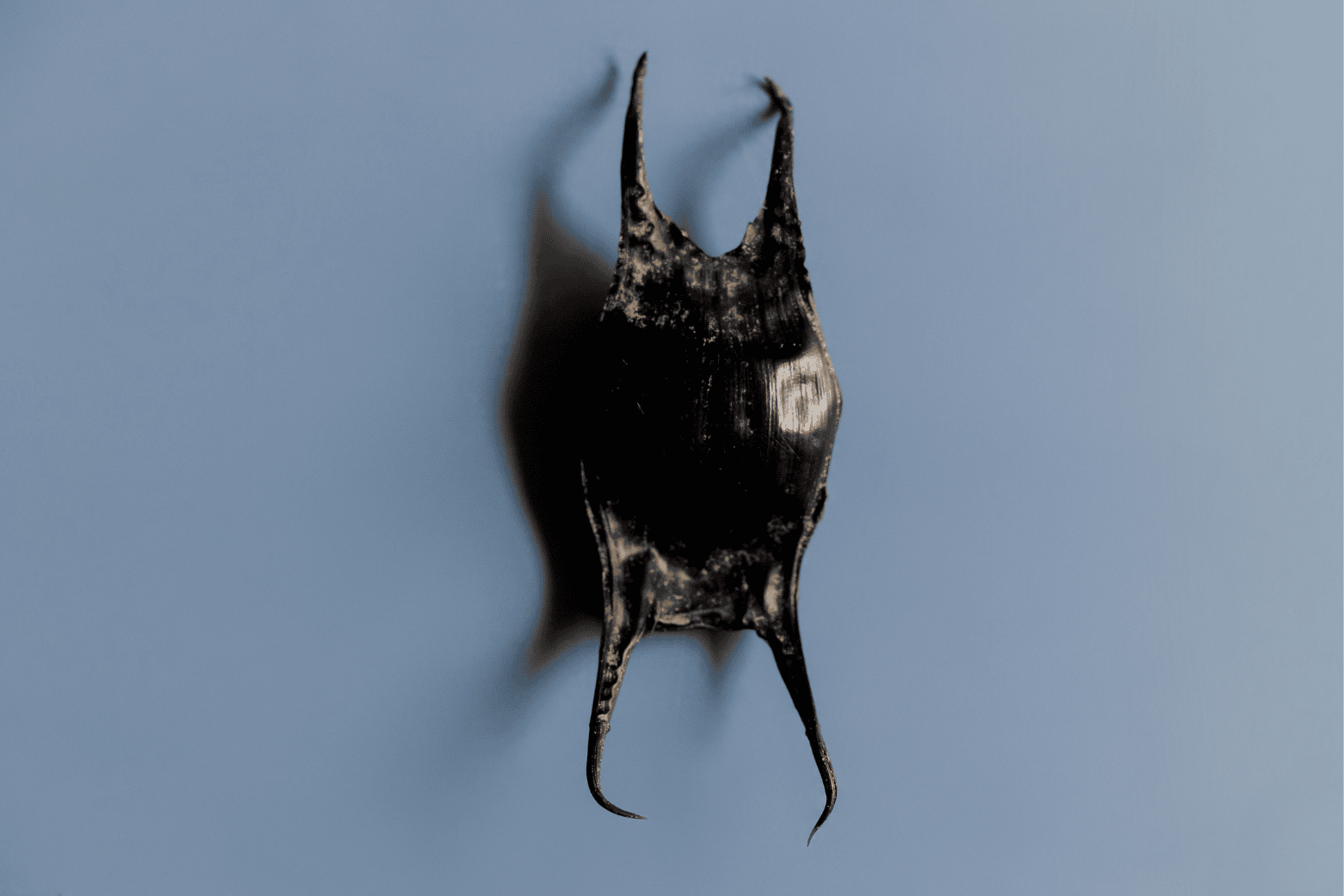
The Sing of the Shore
‘Mesmerising short story collection… The writing is so good it is hard to resist’
—Sunday Times
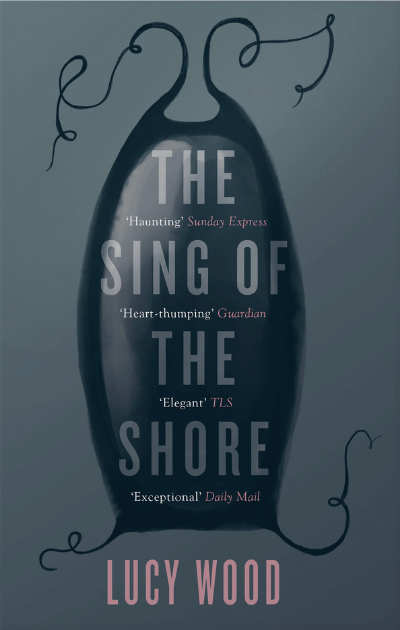
‘Winters are when people disappear. One minute you’re elbow to elbow on the street, the next you walk along sidestepping nothing but the wind. Cafes put down their blinds. Houses are locked and dark. The car parks slowly empty and all that’s left on the beaches are a few forgotten shoes. Waiters and waitresses go away to work the ski season, cleaning chalets in a bright glare of snow. Lifeguards pack their tents and dented surfboards and get on planes, following the sun like a flock of migrating birds’
There is a Cornwall that is not shown on postcards.
It is a place where restless children haunt empty holiday homes, where satellite dishes turn like flowers on clifftops, and where, in a web of sea caves, a brother and sister search in the dark for something lost.
These astonishing, beguiling stories of ghosts and shifting sands, of static caravans and shipwrecked cargo, explore the way places can take hold and never quite let go.
‘She’s better than ever’
—Jon McGregor
‘The Sing of the Shore shows Lucy Wood at the top of her considerable game’
—Patrick Gale
‘Absorbing, beautiful, and deeply uncanny, this collection soaked me through and will linger in my bones’
—Zoe Gilbert
Weathering
‘No bald description of Wood’s extraordinary novel can do justice to its lyrical prose and bold storytelling’
—Mail on Sunday
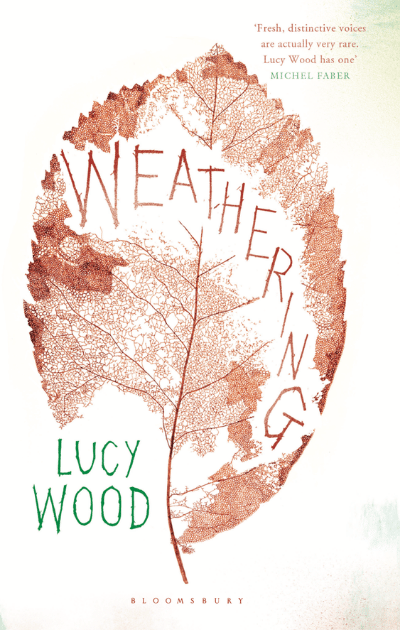
‘Arse over elbow and a mouthful of river. Which she couldn’t spit out. Which soaked in and weighed her down until she was steeped in silt and water, like old tea. But where was her arse anyway, where was her elbow? There was nothing but water as far as she could tell. A stew of water and leaves and small stones and herself all mixed up in it – a strange grey grit. Scattered, then dragged under again, everything teeming, and not sure which way was up or down. Light and dark, light and dark, like a door opening and closing’
Pearl doesn’t know how she’s ended up in the river – the same messy, cacophonous river in the same rain-soaked valley she’d been stuck in for years. Or why, for that matter, she’d been stupid enough to fall down those rickety stairs.
Ada, Pearl’s daughter, doesn’t know how she’s ended up back in the house she left thirteen years ago. With her daughter Pepper, she starts to sort through Pearl’s things, clearing the house so she can leave and not look back.
As the first frosts of autumn herald the coming of a long winter, and Pepper and Ada find themselves irresistibly entangled with the life of the valley, each will discover the ways that places can take root inside us and bind us together.
‘Extraordinary’
—Guardian
‘Unforgettable’
—The Times
‘Wood’s command of language and imagery verges on the sensational … A beautiful book about family, history and nature’
—Observer
Diving Belles
‘Lovely and intriguing… Wood’s stories seem to fish about in rock pools of the imagination’
—Sunday Times
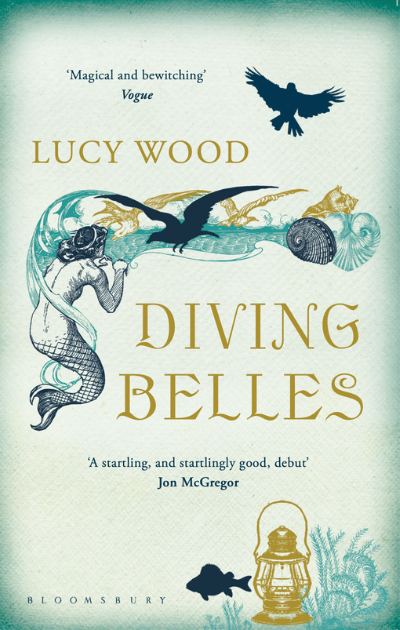
‘Iris crossed her brittle ankles and folded her hands in her lap as the diving bell creaked and juddered towards the sea. At first, she could hear Demelza shouting and cursing as she cranked the winch, but as the bell was cantilevered away from the deck her voice was lost in the wind. Cold air rushed through the open bottom of the bell, bringing with it the rusty smell of The Matriarch’s liver-spotted flanks and the brackish damp of seaweed. The bench Iris was sitting on was narrow and every time the diving bell rocked she pressed against the footrest to steady herself. She kept imagining that she was inside a church bell and that she was the clapper about to ring out loudly into the water, announcing something’
Along Cornwall’s ancient coast, from time to time, the flotsam and jetsam of the past can become caught in the cross-currents of the present and a certain kind of magic floats to the surface…
Straying husbands lured into the sea can be fetched back, for a fee. Houses creak, fill with water and keep a fretful watch on their inhabitants. And, on a windy beach, a small boy and his grandmother keep despair at bay with an old white door.
In these stories hopes, regrets and memories are entangled with catfish, wreckers’ lamps and baying hounds as Cornish folklore slips into everyday life.
‘Lucy Wood has an intensity and clarity of expression, deeply rooted in a sense of place. Her stories resonate in the mind’
—Philip Hensher
‘Wood’s finely wrought collection has touches of a benign Angela Carter and recalls the playful yet political transmogrifications of Atwood and Byatt’
—Guardian
‘Beautiful’
—Harper’s Bazaar